
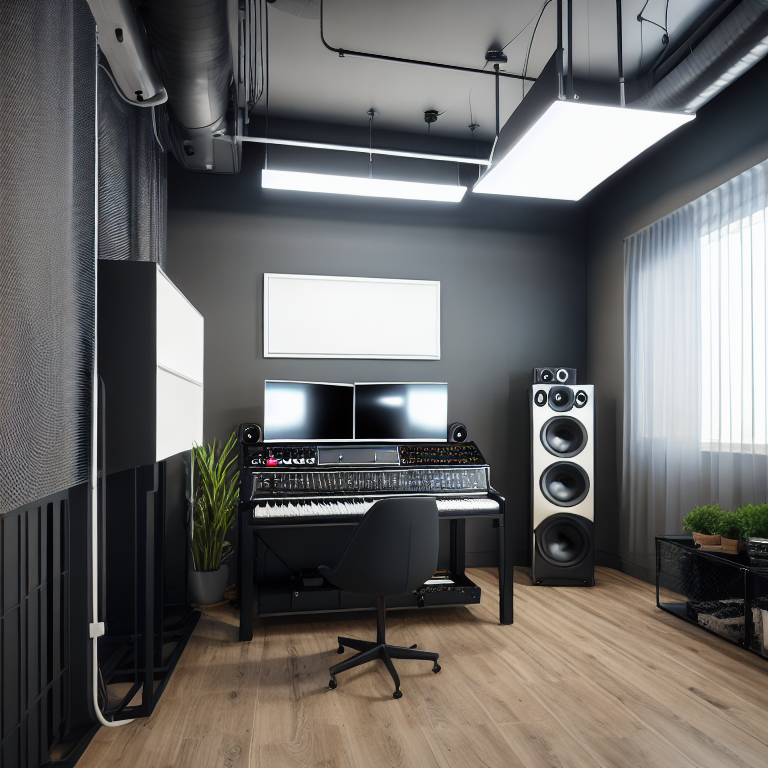
The music industry has undergone a significant transformation in recent years, with technological advancements and shifting consumer behaviors driving the evolution of the business. As a result, music trends are constantly evolving, and staying on top of the latest developments is crucial for artists, producers, and industry professionals alike.
The core problem facing the music industry today is its increasing complexity. With the rise of streaming services, social media, and online platforms, artists must now navigate a multitude of channels to reach their audience. Moreover, the proliferation of new music formats, such as video game soundtracks and virtual reality experiences, has expanded the scope of the industry. Understanding the top music trends everyone is following is essential for success in this rapidly changing landscape.
In this comprehensive guide, we’ll delve into the most significant music trends shaping the industry today. From the resurgence of vinyl and cassette tapes to the rise of AI-generated music, we’ll explore the key drivers behind these trends and provide expert insights on how to leverage them for success.
1. Vinyl and Cassette Tape Revival
The vinyl and cassette tape revival is one of the most significant music trends of the past decade. Sales of vinyl records have witnessed a remarkable increase, with over 13 million vinyl albums sold in the United States alone in 2020. This resurgence can be attributed to several factors, including:
- A desire for tangible, high-quality music formats
- Nostalgia for the tactile experience of listening to music on physical media
- The growth of independent record labels and local music scenes
The vinyl and cassette tape revival has also led to a renewed focus on music’s sonic qualities, with artists and producers experimenting with new recording techniques and mastering processes to optimize their music for these formats.
2. Rise of AI-Generated Music
AI-generated music is another significant trend in the music industry. With the development of sophisticated algorithms and machine learning tools, AI-powered music generation software can now create high-quality, human-like music in various styles and genres. This technology has the potential to revolutionize the industry by:
- Reducing production costs and time
- Enabling the creation of music in new and innovative ways
- Providing new opportunities for emerging artists and producers
However, AI-generated music also raises questions about authorship, ownership, and the role of human creativity in music production.
3. Growing Popularity of Video Game Soundtracks
Video game soundtracks have become increasingly popular in recent years, with many titles featuring original scores that rival those of blockbuster films. This trend can be attributed to:
- The growing influence of video games as a cultural force
- Advances in music composition and sound design for games
- Increased visibility and accessibility of video game soundtracks through streaming services
The popularity of video game soundtracks has also led to a renewed focus on music’s emotional and narrative qualities, with composers and game developers working together to create immersive, cinematic experiences.
4. Rise of Independent and Local Music Scenes
The rise of independent and local music scenes is another significant trend in the music industry. With the proliferation of social media, online platforms, and DIY music marketing, artists and producers can now connect directly with their audience and build a loyal following. This trend has enabled:
- Greater creative freedom and autonomy for artists
- Increased opportunities for emerging talent and local music scenes
- A more diverse and inclusive music industry
However, independent and local music scenes also face challenges, such as limited resources, marketing budgets, and industry recognition.
5. Growing Importance of Music Streaming Analytics
Music streaming analytics have become crucial for artists, producers, and industry professionals looking to track their audience engagement, streaming performance, and music consumption patterns. This trend can be attributed to:
- The increasing dominance of streaming services like Spotify, Apple Music, and TikTok
- Advances in data analysis and AI-powered insights tools
- Greater transparency and visibility into music consumption habits
By leveraging music streaming analytics, artists and producers can:
- Optimize their music marketing and promotion strategies
- Identify new opportunities for collaboration and co-promotion
- Improve their understanding of their audience and their music preferences
6. Resurgence of 90s and Early 2000s Music Styles
The resurgence of 90s and early 2000s music styles is another significant trend in the music industry. From the return of grunge and alternative rock to the revival of hip-hop and R&B’s golden era, this trend can be attributed to:
- Nostalgia for the music of one’s youth
- A desire for authenticity and raw, unpolished sound
- The influence of social media and online platforms on music discovery and consumption
The resurgence of 90s and early 2000s music styles has also led to a renewed focus on music’s emotional and nostalgic qualities, with artists and producers drawing inspiration from their personal experiences and cultural context.
7. Growing Importance of Mental Health in the Music Industry
Mental health has become an increasingly important issue in the music industry, with artists and producers speaking out about their struggles with anxiety, depression, and burnout. This trend can be attributed to:
- Growing awareness and visibility of mental health issues
- Increased pressure and stress in the music industry
- Greater recognition of the importance of self-care and mental well-being
By prioritizing mental health, the music industry can:
- Support the well-being and success of artists and producers
- Foster a more positive and inclusive industry culture
- Promote healthier and more sustainable music production practices
8. Rise of Virtual and Augmented Reality Music Experiences
Virtual and augmented reality music experiences are a rapidly emerging trend in the music industry, with artists and producers experimenting with immersive, interactive, and 360-degree audio and visual experiences. This trend can be attributed to:
- Advances in VR and AR technology
- Growing demand for immersive and engaging music experiences
- Increased investment in music-related VR and AR projects
By leveraging virtual and augmented reality music experiences, artists and producers can:
- Create new and innovative ways to engage with their audience
- Enhance the emotional and sensory qualities of music
- Push the boundaries of music’s creative and technological possibilities
Industry Secrets & Tips
Here are some practical, insider tips for navigating the top music trends everyone is following:
- Embracing vinyl and cassette tape revival: Focus on creating music with a strong sonic identity and a tangible, high-quality sound. Invest in mastering and pressing processes that optimize your music for these formats.
- Leveraging AI-generated music: Experiment with AI-powered music generation software to explore new sounds, styles, and creative possibilities. However, also prioritize human creativity and authorship in your music production process.
- Tapping into video game soundtracks: Collaborate with game developers and composers to create original scores that enhance the gaming experience. Invest in music composition and sound design techniques that cater to the unique demands of video game soundtracks.
- Building independent and local music scenes: Focus on building a loyal community of fans and supporters through social media, online platforms, and DIY music marketing. Invest in local music events, festivals, and initiatives that promote emerging talent and local music scenes.
Examples & Case Studies
Here are some real-world examples and hypothetical scenarios that illustrate the top music trends everyone is following:
- Vinyl and cassette tape revival: The vinyl and cassette tape revival has led to a renewed focus on music’s sonic qualities. For example, the band Tame Impala’s 2020 album “Slow Rush” was released on vinyl, cassette, and CD, showcasing the band’s commitment to creating high-quality music formats.
- AI-generated music: The use of AI-generated music has raised questions about authorship and ownership. For example, the AI-powered music generation software Amper Music has sparked controversy over its ability to create high-quality music without human input.
- Growing popularity of video game soundtracks: The growing popularity of video game soundtracks has led to a renewed focus on music’s emotional and narrative qualities. For example, the video game soundtrack for “The Last of Us Part II” features a haunting and emotional score that complements the game’s narrative and atmosphere.
FAQ
Here are some high-intent questions and detailed answers related to the top music trends everyone is following:
Q: What are the benefits of leveraging music streaming analytics?
A: Music streaming analytics provide essential insights into audience engagement, streaming performance, and music consumption patterns. By leveraging these analytics, artists and producers can optimize their music marketing and promotion strategies, identify new opportunities for collaboration and co-promotion, and improve their understanding of their audience and their music preferences.
Q: How can I get started with AI-generated music?
A: To get started with AI-generated music, explore AI-powered music generation software like Amper Music or AIVA. Experiment with these tools to create new sounds, styles, and creative possibilities. However, also prioritize human creativity and authorship in your music production process to ensure a unique and authentic sound.
Q: What are the key drivers behind the resurgence of 90s and early 2000s music styles?
A: The resurgence of 90s and early 2000s music styles can be attributed to nostalgia for the music of one’s youth, a desire for authenticity and raw, unpolished sound, and the influence of social media and online platforms on music discovery and consumption.
Q: How can I prioritize mental health in the music industry?
A: Prioritize mental health by recognizing the importance of self-care and mental well-being. Invest in resources and initiatives that support the well-being and success of artists and producers, foster a positive and inclusive industry culture, and promote healthier and more sustainable music production practices.
Q: What are the benefits of virtual and augmented reality music experiences?
A: Virtual and augmented reality music experiences offer new and innovative ways to engage with the audience, enhance the emotional and sensory qualities of music, and push the boundaries of music’s creative and technological possibilities.
Absolute Conclusion
The top music trends everyone is following are constantly evolving, and staying on top of the latest developments is crucial for success in the music industry. By embracing vinyl and cassette tape revival, leveraging AI-generated music, tapping into video game soundtracks, building independent and local music scenes, focusing on music streaming analytics, embracing the resurgence of 90s and early 2000s music styles, prioritizing mental health, and exploring virtual and augmented reality music experiences, artists, producers, and industry professionals can navigate the complexities of the music industry and create innovative, high-quality music that resonates with their audience.
